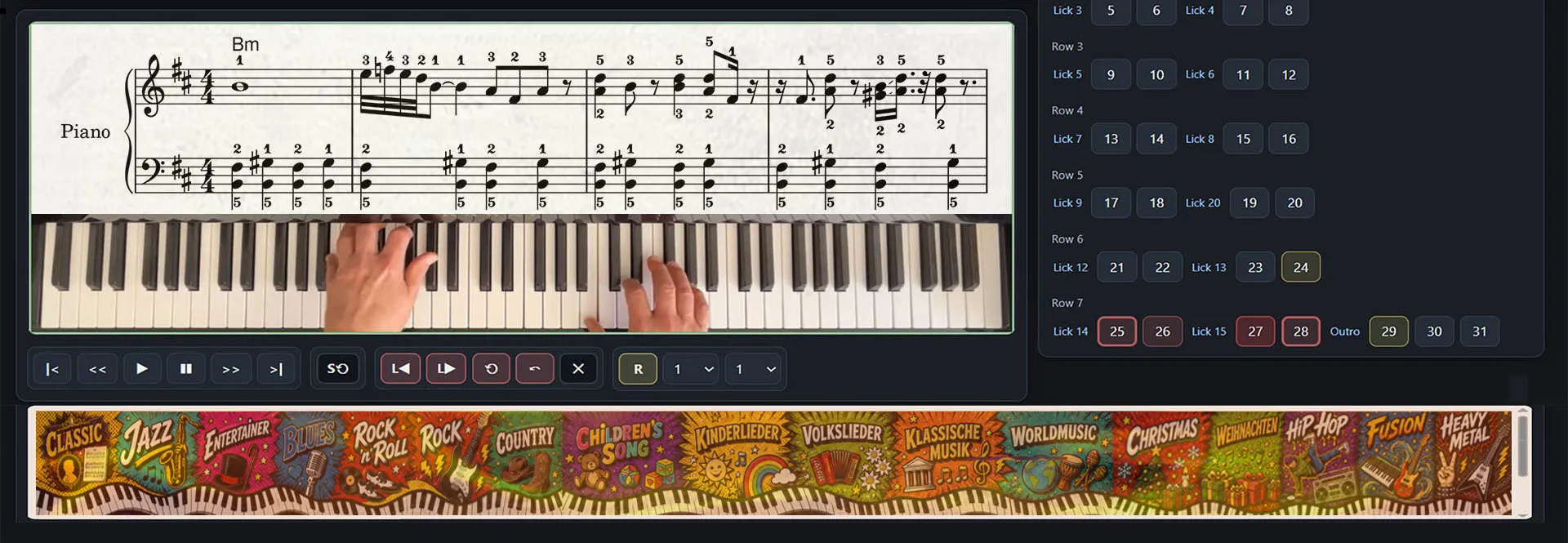
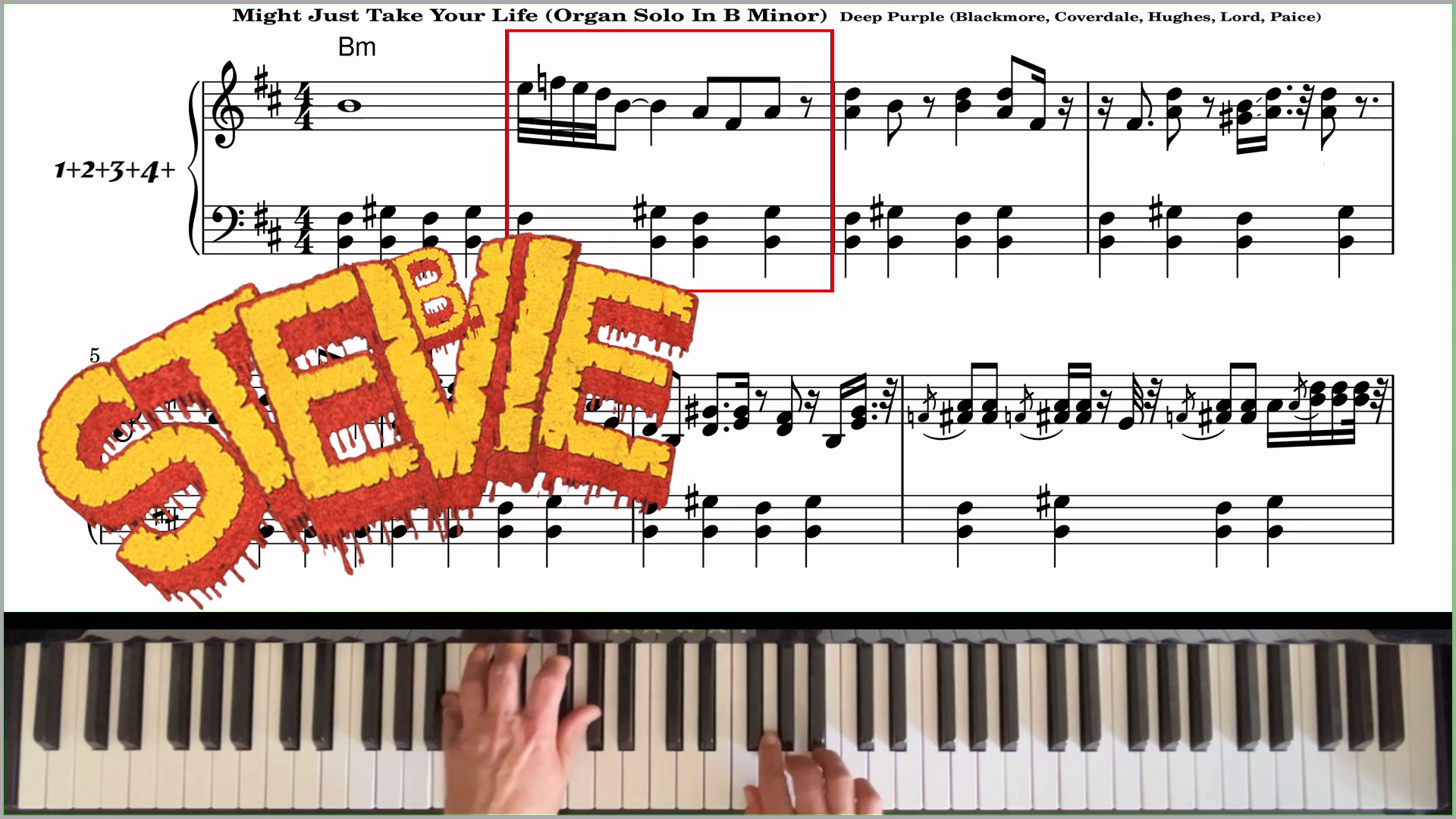
Es war Spätherbst 1973 in den ehrwürdigen Mauern von Clearwell Castle. Deep Purple befand sich im Umbruch: Ritchie Blackmore, Jon Lord und Ian Paice hatten mit David Coverdale und Glenn Hughes frisches Blut in die Band geholt – das legendäre Line-up Mark III war geboren. Aus den Boxen des mobilen Rolling-Stones-Studios dröhnte die erste gemeinsame Single, die das Album „Burn“ ankündigen sollte: „Might Just Take Your Life“.
Hinter den Kulissen ging es damals rechtlich turbulent zu. Man munkelt, dass es wegen alter Verlagsverpflichtungen Unstimmigkeiten gab, weshalb Glenn Hughes’ kreativer Beitrag auf den frühen Pressungen unerwähnt blieb (die genauen Details dazu lassen sich z. B. bei Wikipedia nachlesen). Unbestreitbar ist jedoch, dass hier ein echtes Gemeinschaftswerk entstand, bei dem eine Handschrift sofort ins Ohr stach: die von Jon Lord.
Die Gitarre hielt sich im Mix fast schon schüchtern zurück. Ritchie Blackmore feuerte durchaus ein treibendes Riff ab, das aber besonders im Orgel-Solo weit nach hinten verbannt wurde. Zudem spielte er Power Chords – jene rohen Quintakkorde, die die Terz einfach weglassen und den Song harmonisch in der Schwebe halten. War es Dur? War es Moll? Das Riff deutete auf H-Dur (engl. B major) hin. Hätte man dies klassisch notiert, wäre das Blatt wegen der fünf Kreuze mit Auflösungszeichen übersät gewesen. Doch die Band wählte den intuitiven Weg: Der treibende Bass orientierte sich flexibel am Schlagzeug und den rhythmischen Phrasierungen der Hammond-Orgel. Es war erdig, laut und rockte einfach.
Dann kam der Moment des Solos. Jon Lord setzte an der Orgel zu einem Meisterwerk an. Statt sich sklavisch an das H-Dur des Riffs zu halten, schlug Lord eine geniale harmonische Brücke: Er improvisierte in der H-Moll-Blues-Pentatonik. Da H-Moll (und die parallele D-Dur-Pentatonik) lediglich zwei Kreuze im Vorzeichen hat, ist diese Tonart besonders gut für rockige und bluesige Styles geeignet. Zudem erlaubt der punktuelle Wechsel auf die Kirchentonart H-Lokrisch ein extrem schnelles Spielen auf den weißen Tasten.
Im fließenden Wechsel mit D-Dur-Pentatonik-Mustern webte er seine Melodielinien über das Fundament der Band. Einzig dort, wo er die chromatische Reibung suchte, blitzte sie auf: die Blue Note – das schmutzige, melancholische Geheimnis des Blues.
Am Ende blieb ein Song, der die perfekte Symbiose aus musiktheoretischer Raffinesse und purer Rock-Energie darstellt. Ein zeitloses Meisterwerk und es bietet sich geradezu an, dieses fantastische Werk auf das Klavier zu transkribieren.
It was late autumn 1973 within the venerable walls of Clearwell Castle. Deep Purple was in a state of transition: Ritchie Blackmore, Jon Lord, and Ian Paice had injected fresh blood into the band with David Coverdale and Glenn Hughes – the legendary Mark III line-up was born. Blasting from the speakers of the Rolling Stones Mobile Studio was their first collaborative single, set to announce the upcoming album 'Burn': 'Might Just Take Your Life'.
Behind the scenes, things were legally turbulent back then. Rumor has it that disputes arose due to old publishing obligations, which is why Glenn Hughes' creative contribution went uncredited on early pressings (the exact details can be found on Wikipedia, for instance). What remains undeniable, however, is that this was a true collaborative effort, featuring one signature style that immediately caught the ear: that of Jon Lord.
The guitar stayed almost shyly in the background of the mix. Ritchie Blackmore certainly fired off a driving riff, but it was pushed far back, especially during the organ solo. Furthermore, he played power chords – those raw fifth chords that simply omit the third, keeping the song harmonically suspended. Was it major? Was it minor? The riff hinted at B major. Had this been written down in classical notation, the sheet music would have been cluttered with accidentals due to the five sharps. But the band chose the intuitive path: The driving bass aligned itself flexibly with the drums and the rhythmic phrasing of the Hammond organ. It was earthy, loud, and it simply rocked.
Then came the moment of the solo. Jon Lord delivered a masterpiece on the organ. Instead of slavishly sticking to the B major of the riff, Lord forged a brilliant harmonic bridge: he improvised using the B minor blues pentatonic scale. Since B minor (and the parallel D major pentatonic) features only two sharps in its key signature, this key is particularly well-suited for rock and blues styles. In addition, occasionally switching to the B Locrian mode allows for extremely fast playing on the white keys.
Alternating smoothly with D major pentatonic patterns, he wove his melodic lines over the band's foundation. Only where he sought chromatic friction did it flash open: the blue note – the dirty, melancholic secret of the blues.
What remained was a song that represents the perfect symbiosis of music-theoretical sophistication and pure rock energy. A timeless masterpiece and it practically begs for this fantastic piece of music to be transcribed for the piano.